No Citation Doesn’t Mean No Case. Here’s What You Need to Know.
You were hit by another driver. The crash was clearly their fault. But when the police showed up, they didn’t issue a ticket. Now you’re wondering whether you can still pursue compensation for your injuries, your medical bills, and the damage to your vehicle if the other driver was never cited.
The short answer is yes. A traffic citation is not required to file a personal injury claim or lawsuit in Georgia. Police officers make decisions about citations based on what they observe at the scene and what witnesses tell them, but those decisions don’t determine who is legally responsible for your damages. Liability in a civil claim is proven differently than a traffic violation, and an experienced car accident lawyer knows exactly how to build that case even when no ticket was issued.
At 1Georgia Personal Injury Lawyers, we’ve represented clients in countless cases where the at-fault driver walked away without a citation. We know how to gather the evidence, work with experts, and prove negligence so you can recover the compensation you deserve. If you’ve been injured in a crash and the other driver wasn’t cited, don’t assume your case is lost. Call us today at 404-476-5412 for a free consultation.
Why Police Don’t Always Issue Citations After a Crash
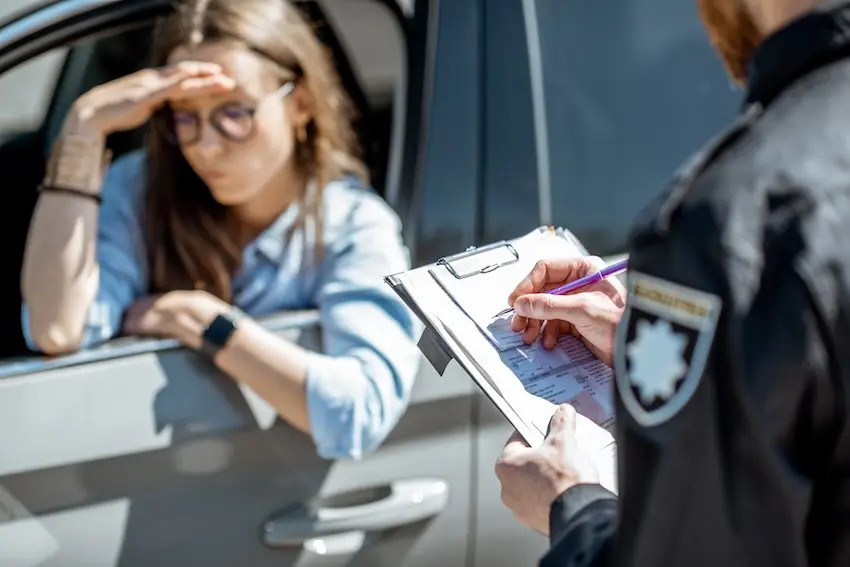
Police officers respond to accidents with the goal of documenting what happened and ensuring everyone’s safety. Issuing a traffic citation is not always their priority, and there are several reasons why an at-fault driver might leave the scene without a ticket.
In some cases, the officer arrives after the fact and doesn’t witness the violation. Georgia law requires officers to observe certain traffic violations directly in order to issue a citation, and if the crash has already occurred by the time they arrive, they may not have enough information to write a ticket on the spot. Officers also focus on whether anyone needs medical attention, whether the roadway needs to be cleared, and whether there are immediate safety concerns. Writing a citation can take a back seat to those priorities.
Additionally, fault isn’t always clear at the scene. Drivers give conflicting statements, witnesses may not be available, and physical evidence like skid marks or vehicle damage can be difficult to interpret without a thorough investigation. Officers are trained to write reports based on what they see and hear, but they don’t always make a determination about fault in their documentation.
The absence of a citation doesn’t mean the other driver wasn’t at fault. It simply means the officer didn’t issue a ticket. Your ability to pursue compensation doesn’t depend on whether the police wrote a citation. It depends on whether you can prove the other driver’s negligence caused the crash.
How Liability Is Proven in a Georgia Car Accident Claim
Proving fault in a car accident claim is different from proving a traffic violation. In a civil case, your attorney doesn’t need to show that the other driver broke a specific traffic law. Instead, your attorney must show that the other driver’s actions were negligent and that their negligence directly caused your injuries and damages.
Negligence means the other driver failed to exercise reasonable care while operating their vehicle. This can include actions like speeding, running a red light, texting while driving, failing to yield, or driving recklessly. It can also include failures to act, such as not checking blind spots before changing lanes or not maintaining a safe following distance.
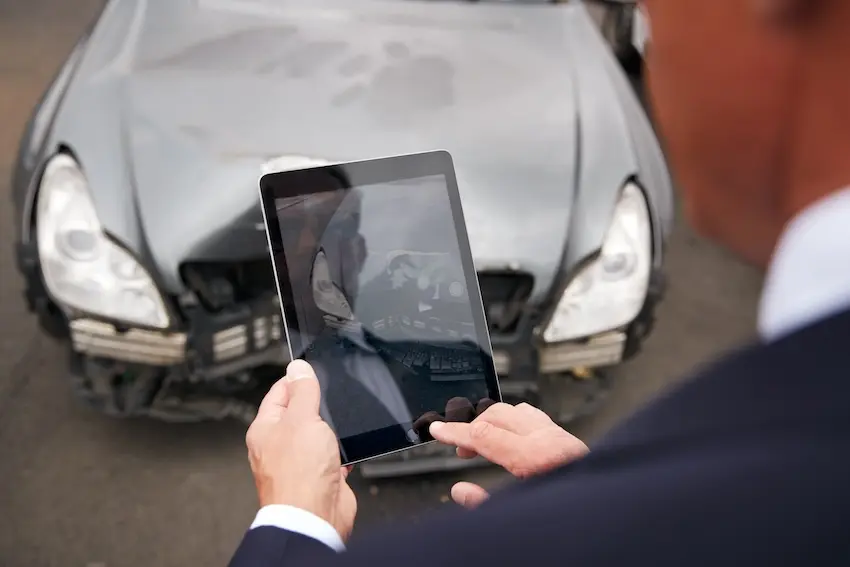
To prove negligence, your attorney will gather evidence that demonstrates what the other driver did wrong and how it led to the crash. This evidence can include photographs of the accident scene, damage to the vehicles, witness statements, video footage from traffic cameras or dashcams, and expert analysis of how the collision occurred. In many cases, the physical evidence tells a clearer story than what the police report says.
Georgia follows a modified comparative negligence rule, which means you can still recover damages even if you were partially at fault for the accident, as long as you are less than 50 percent responsible. Your attorney will work to establish the other driver’s percentage of fault and maximize your recovery based on the evidence available.
Evidence Your Attorney Can Use to Prove Fault
Even without a citation, there are multiple sources of evidence that can prove the other driver caused the crash. Your car accident lawyer will know where to look and how to use this evidence to build a strong case.
Witness statements are one of the most powerful tools. If anyone saw the accident happen, their account of what they observed can establish how the crash occurred and who was at fault. Your attorney will interview witnesses, take recorded statements, and use their testimony to support your claim.
Photographs and video footage are also critical. Pictures of vehicle damage, skid marks, road conditions, traffic signals, and the positioning of the vehicles after impact can all help reconstruct what happened. If there is dashcam footage, surveillance video from nearby businesses, or traffic camera recordings, your attorney will work to obtain that evidence before it’s erased or lost.
Accident reconstruction experts can analyze the physical evidence and create a detailed report explaining how the crash occurred. These experts use principles of physics, engineering, and collision dynamics to determine speeds, angles of impact, and driver behavior leading up to the accident. Their findings can be presented in court to show that the other driver was at fault.
Your attorney may also review the other driver’s history, including prior accidents, traffic violations, and driving records. If the other driver has a pattern of reckless or negligent behavior, that information can strengthen your case.
What the Police Report Does and Doesn’t Prove
The police report is an important piece of evidence, but it is not the final word on fault. Officers document what they observe, what the drivers and witnesses tell them, and their assessment of the scene. However, their conclusions are not binding in a civil lawsuit.
In some cases, the police report will include an officer’s opinion about who caused the crash. That opinion can be helpful, but it is not proof of liability. Insurance companies and courts will look at the totality of the evidence, not just what the officer wrote in the report.
If the police report contains inaccuracies or incomplete information, your attorney can challenge it and present additional evidence to show what really happened. Officers are not infallible, and mistakes in police reports are more common than most people realize.
Even if the police report does not assign fault or suggests that fault is unclear, your attorney can still build a case using other evidence. The absence of a clear determination in the report does not prevent you from recovering compensation.
Insurance Companies Will Still Try to Deny Your Claim
Just because the other driver wasn’t cited doesn’t mean the insurance company will accept fault. In fact, insurers often use the absence of a citation as a reason to deny or underpay claims. They will argue that if the police didn’t issue a ticket, there’s no proof of wrongdoing.
This is a tactic designed to discourage injured victims from pursuing their claims. Insurance adjusters know that many people assume a citation is required to prove fault, and they use that misconception to their advantage. They may offer a low settlement or deny the claim entirely, hoping you’ll give up or accept less than you deserve.
Having an attorney on your side levels the playing field. Your attorney will counter the insurer’s arguments with evidence, expert testimony, and a clear explanation of how the law applies to your case. Insurers are more likely to negotiate fairly when they know you have experienced legal representation.
If the insurance company refuses to offer a fair settlement, your attorney can file a lawsuit and take the case to court. A jury will decide who was at fault based on the evidence presented, not on whether the police wrote a ticket.
How Long You Have to File a Claim in Georgia
Georgia law gives you two years from the date of the accident to file a personal injury lawsuit. This deadline is called the statute of limitations, and if you miss it, you lose your right to pursue compensation in court.
Two years may sound like a long time, but it’s not. Evidence disappears, witnesses become harder to find, and the details of the accident fade from memory. The sooner you contact an attorney, the better your chances of building a strong case.
There are also practical reasons to act quickly. If you wait too long to file a claim with the insurance company, they may argue that your injuries weren’t serious or that the accident didn’t cause them. Early legal action sends a clear message that you are serious about recovering compensation and that you have representation protecting your rights.
At 1Georgia Personal Injury Lawyers, we encourage injured victims to reach out as soon as possible after a crash. Even if you’re still receiving medical treatment or haven’t decided whether to file a claim, a consultation with an attorney can help you understand your options and avoid costly mistakes. To learn more about how our car accident lawyers can help, we’re available 24/7 to answer your questions.
What to Do If You Were in a Crash and the Other Driver Wasn’t Cited
If you’ve been injured in a car accident and the at-fault driver didn’t receive a citation, there are steps you should take to protect your claim.
First, seek medical attention immediately, even if your injuries seem minor. Some injuries don’t show symptoms right away, and delaying treatment can give the insurance company a reason to question whether the accident caused your injuries. Medical records also serve as evidence of the harm you suffered.
Second, gather as much evidence as you can. Take photos of the vehicles, the accident scene, your injuries, and anything else that might be relevant. Get contact information from witnesses. Keep copies of the police report, medical bills, and any correspondence with the insurance company.
Third, do not give a recorded statement to the other driver’s insurance company without speaking to an attorney first. Adjusters are trained to ask questions designed to minimize your claim, and anything you say can be used against you later.
Finally, contact an experienced car accident lawyer. An attorney can handle communications with the insurance company, investigate the crash, gather evidence, and build a case that proves the other driver’s negligence. Your attorney will also ensure that all deadlines are met and that your claim is filed correctly.

You Don’t Need a Citation to Recover Compensation
A traffic citation is not required to file a successful car accident claim in Georgia. Liability is proven through evidence, not through whether the police issued a ticket. If you’ve been injured by another driver’s negligence, you have the right to pursue compensation regardless of what happened at the scene.
At 1Georgia Personal Injury Lawyers, we’ve helped countless clients recover damages in cases where the at-fault driver was never cited. We know how to investigate crashes, gather evidence, and prove fault so you can focus on your recovery while we handle the legal fight.
If you’ve been injured in a car accident and the other driver wasn’t cited, don’t wait. Contact us today for a free consultation. Call 404-476-5412 and let our experienced attorneys fight for the compensation you deserve.