After the Crash, You’re Realizing Your Coverage May Not Be Enough
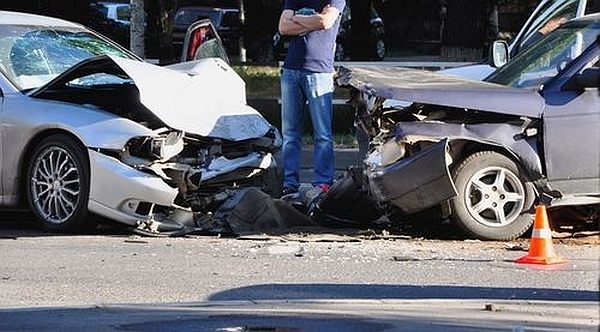
A collision on I-285 in Atlanta, along GA-400 near Sandy Springs, or on roads in Macon can change everything quickly. At first, you expect insurance to cover a car accident, but many people soon realize they don’t have enough car insurance to handle the full cost under Georgia law.
That realization can be frustrating. Medical bills and repairs add up fast, and what once seemed like enough insurance may not fully cover a car accident, leaving potential out-of-pocket costs.
Expenses often go beyond the basics. Ongoing care, lost income, and additional repairs can push totals past policy limits, creating added stress during recovery.
At 1Georgia Personal Injury Lawyers, we help clients understand their options when insurance may not be enough. If you’re facing gaps in coverage after an accident, our legal team is here to help you explore the next steps and move forward with confidence.

What You’re Required to Carry May Not Be Enough to Fully Protect You
After an accident, many drivers are surprised to learn that having the minimum coverage doesn’t always mean they have enough insurance. While policies are designed to cover a car accident up to certain limits, those limits may not fully account for the real costs involved. Understanding how these requirements work can help you see where gaps may exist under Georgia law.
Minimum Coverage Meets the Law—but Not Always Your Needs
Drivers are required to carry a set level of liability coverage, which is meant to cover a car accident involving injuries or property damage. However, meeting this standard doesn’t guarantee you have enough insurance to handle more serious situations. These requirements satisfy the law, but they may not reflect the full financial impact of an accident.
Serious Accidents Can Exceed Basic Policy Limits
In more significant collisions, costs can rise quickly. Medical care, vehicle damage, and other expenses may go beyond what basic coverage will pay. When this happens, having only enough insurance to meet minimum standards can leave you responsible for the remaining balance.
Policy Limits Define What Insurers Will Pay
Every policy includes limits that cap how much coverage is available for a car accident. Once those limits are reached, the insurer typically won’t pay additional amounts. This is where understanding your policy—and whether you have enough insurance—becomes especially important.
Even If Insurance Falls Short, You Still Have Ways to Move Forward
Discovering that your policy may not fully cover a car accident can feel overwhelming, but it doesn’t mean you’re out of options. In many situations, additional paths may exist to help address remaining costs. Understanding how insurance and the law work together can help you take the next step with more clarity.
- Your own UM/UIM coverage may apply: If the at-fault driver doesn’t have enough insurance, your uninsured or underinsured motorist coverage can help cover a car accident beyond their policy limits. This type of insurance is designed to step in when other coverage falls short.
- Claims beyond basic insurance may be possible: In some cases, pursuing a claim directly against the at-fault driver may be an option. Depending on the situation, the law may allow you to seek recovery for damages that insurance alone does not fully address.
- Other coverage sources could be available: Certain situations may involve additional policies or avenues of recovery. These can vary based on the details of the accident and the types of insurance involved.
At 1Georgia Personal Injury Lawyers, we help clients explore every available option when insurance doesn’t fully cover a car accident. With a clear legal approach, our team works to identify next steps so you can move forward with confidence.
When One Policy Isn’t Enough, Other Responsible Parties May Help Close the Gap
After a serious collision, a single policy may not fully cover a car accident. In these situations, multiple parties may share responsibility under the law, helping address gaps when there isn’t enough insurance available.
Work-related crashes are one example. If the driver was on the job, an employer may be involved, and additional coverage could apply to help cover a car accident beyond a personal policy.
Vehicle ownership can also matter. When the owner is different from the driver, separate responsibility or insurance may provide another path when there isn’t enough insurance from one source.
Third-party negligence is another consideration. Factors like poor maintenance or defective equipment may contribute to the accident, opening the door to additional claims under the law.

If Coverage Is Limited, Insurers Often Try to Keep Payouts Within Those Limits
After a serious crash, many people assume insurance will step in and fully cover a car wreck. In reality, insurers typically focus on paying only what a policy requires. When there isn’t enough insurance to address all damages, understanding how these decisions are made can help you better navigate what comes next under the law.
Insurers Usually Stick Closely to Policy Terms
Insurance companies are guided by policy limits. Even when losses exceed those amounts, they may not go beyond what is required to cover a car wreck under the agreement. This can leave gaps when there isn’t enough insurance to fully resolve the situation.
Settlement Tactics May Focus on Closing Claims Quickly
In some cases, insurers may offer early settlements, especially when coverage is limited. These offers can be presented as a way to move forward, but they may not always reflect the full extent of damages tied to a car wreck. Understanding your legal position before accepting an offer can make a difference.
Looking Beyond One Policy Can Be Important
When one policy isn’t enough insurance, other sources may exist. Additional coverage, overlapping policies, or different responsible parties may help cover a car wreck more completely. Identifying these options often requires a closer look at how the law applies to your situation.
Lacking Enough Coverage After a Crash Can Put You in a Difficult Position
A serious accident can become more complicated if your policy doesn’t fully cover a car crash. When there isn’t enough insurance, the situation may extend beyond a typical claim and involve additional legal considerations under applicable laws.
Financial exposure is often the first concern. If damages exceed your policy limits, you may be responsible for the remaining costs, including expenses related to injuries, repairs, or other losses tied to the crash. This can create added stress while you’re already dealing with the aftermath.
Legal action may also come into play. When insurance doesn’t fully cover a car crash, the other party may pursue a claim directly. In some cases, this can lead to a judgment that goes beyond available coverage, making it important to understand your position under the law.
Seeking guidance early can make a meaningful difference. At 1Georgia Personal Injury Lawyers, we help clients evaluate their options and navigate these situations with a clear legal strategy—so you can move forward with confidence.
After You Realize Coverage Falls Short, Taking the Right Steps Can Protect You
Learning that your policy may not fully cover a car crash can feel overwhelming, but the steps you take next can make a real difference. When there isn’t enough insurance, staying organized and informed helps you protect your position under applicable laws while you evaluate your options.
Reviewing Every Available Policy Can Reveal More Coverage
Start by looking closely at all policies that may apply. This can include your own coverage, the other driver’s policy, and any additional sources that could help cover a car crash. In some situations, there may be more protection available than you initially expected.
Avoiding Quick Decisions Helps You Understand the Full Picture
It may be tempting to accept an early offer, especially when you’re unsure if there’s enough insurance to cover everything. Taking time to fully evaluate your situation allows you to better understand your legal options and whether a settlement reflects your actual costs.
Keeping Detailed Records Strengthens Your Position
Documenting expenses, repairs, and ongoing impacts helps create a clear record of your losses. When there isn’t enough insurance, having accurate information makes it easier to assess how much is needed to fully cover a car crash and what steps to take next.

When You’re Facing a Coverage Gap, Your Legal Team Can Help You Move Forward
After a crash on I-85 near Atlanta, along I-16 toward Savannah, or on local roads in places like Albany or Marietta, realizing you may not have enough insurance to cover a car accident can feel overwhelming. Costs can add up quickly, and knowing how to move forward under Georgia law isn’t always clear.
At 1Georgia Personal Injury Lawyers, each case starts with a detailed review of all available coverage. When there isn’t enough insurance to fully cover a car accident, identifying every possible source of recovery becomes essential.
Negotiation also plays a key role. Insurance companies may try to limit payouts, especially when coverage is tight. Our legal team works to pursue outcomes that better reflect the true impact of the accident.
If you’re dealing with a situation where insurance may not fully cover a car accident, contact 1Georgia Personal Injury Lawyers today to explore your options at 404-476-5412 and take the next step with confidence.