Trucking Accident Liability Laws in Georgia: What Injured Victims Need to Know
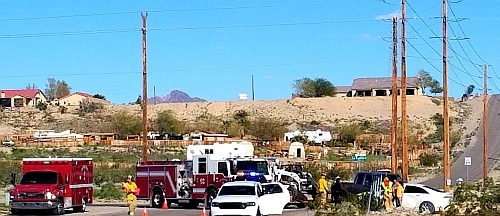
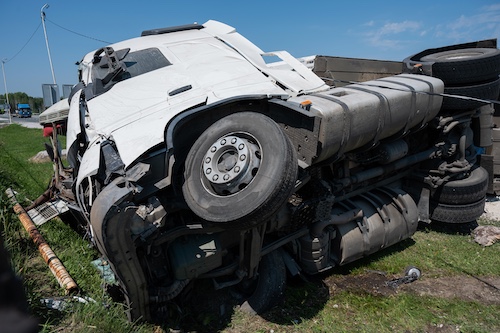
Georgia’s interstates carry tens of thousands of commercial trucks every day, and when those trucks crash, the consequences go far beyond a typical car accident. Severe injuries, massive medical bills, and multiple liable parties make these cases legally complex from the start. Trucking companies deploy legal teams immediately after an accident occurs to limit what they pay victims.
We’ll cover Georgia’s trucking accident liability laws, who can be held legally responsible, what damages victims can recover, and why working with an experienced truck accident lawyer at 1Georgia Personal Injury Lawyers gives you the strongest possible foundation for your claim.
The Foundation: Proving Negligence in a Georgia Truck Accident Case
Every truck accident liability claim in Georgia is built on negligence, and understanding its four elements is the first step toward holding the right parties accountable.
Duty of Care
Under O.C.G.A. § 51-1-2, every person operating a vehicle on Georgia roads must exercise reasonable care to avoid harming others. Truck drivers and trucking companies carry this duty at all times. That duty extends beyond basic traffic laws and includes full compliance with federal and state regulations governing commercial vehicles.
Breach of Duty
A breach occurs when a truck driver or trucking company fails to meet the standard of care required by law. Common breaches include hours of service violations, distracted driving, reckless driving, improper vehicle maintenance, and failure to provide adequate training to drivers. Any one of these failures can form the basis of a truck accident liability claim.
Causation
Proving a breach of duty is not enough. The breach must be the direct cause of the accident in Georgia and the injuries that followed. A truck accident attorney will use electronic logging device data, accident reconstruction experts, and driver records to connect the defendant’s actions to the harm suffered by truck accident victims.
Damages
Victims must show documented losses resulting from the accident. These include medical expenses, lost wages, and pain and suffering. Without proof of actual damages, there is no viable personal injury claim regardless of how clear the negligence is. Thorough documentation of every medical bill and financial loss strengthens the case significantly.
Federal Regulations That Govern Georgia Truck Accidents
Federal Motor Carrier Safety Administration regulations carry the force of law in Georgia truck accident cases and can independently establish liability against a truck driver or trucking company.
Hours of Service Rules
Under 49 C.F.R. Part 395, truck drivers cannot exceed 11 hours of driving after 10 consecutive hours off duty. Hours of service rules exist to prevent driver fatigue, one of the leading causes of serious injuries and fatalities in commercial truck accidents. When a trucking company pressures drivers to violate these limits, it bears direct legal responsibility for any accident that results.
Vehicle Maintenance and Inspection Requirements
Under 49 C.F.R. Part 396, commercial carriers must perform routine inspections and correct all defects before a truck operates on public roads. Brake failure and tire blowouts linked to improper maintenance are preventable. A trucking company that fails to maintain its fleet creates liability exposure every mile its trucks travel on Georgia highways.
Driver Qualification Standards
Under 49 C.F.R. Part 391, commercial carriers must verify a driver’s history, medical fitness, and licensing credentials before a company hires that individual. Placing unqualified drivers behind the wheel of an 80,000-pound commercial truck is negligent hiring, plain and simple. Georgia courts treat this failure as a serious breach of the trucking company’s duty to exercise reasonable care.
Cargo Securement Rules
Under 49 C.F.R. Part 393, all cargo loaded onto commercial trucks must be properly secured before the vehicle moves. Improperly loaded freight shifts weight during transit, destabilizes the truck, and can cause rollover accidents that devastate passenger cars in their path. A cargo loader who ignores these rules shares liability for any accident that follows.
How Regulatory Violations Strengthen a Truck Accident Case
A violation of any FMCSA regulation can establish negligence per se under Georgia law. This means the violation itself serves as proof of a breach of duty, removing one of the most contested hurdles in a truck accident case. An experienced truck accident attorney will subpoena electronic logging device data, maintenance records, and driver qualification files immediately after an accident occurs to preserve this evidence before it disappears.
Who Can Be Held Liable in a Georgia Trucking Accident?
Georgia trucking accident liability laws allow injured parties to pursue multiple defendants, and identifying every responsible party is essential to recovering full compensation.
The Truck Driver
A truck driver is directly liable for any accident caused by their own negligence. Distracted driving, reckless driving, driver fatigue, traffic rules violations, and exceeding a truck’s speed limit all place legal responsibility on the driver. Under O.C.G.A. § 40-6-1 et seq., truck drivers must obey all Georgia traffic laws in addition to federal regulations.
The Trucking Company
Georgia law holds trucking companies liable for the negligent acts of their employees under the respondeat superior doctrine, codified at O.C.G.A. § 51-2-2. If a truck driver causes an accident while performing job duties, the trucking company is legally responsible for the resulting harm. Vicarious liability means truck accident victims can pursue the trucking company’s insurance policy directly, which typically carries far greater coverage than an individual driver’s policy.
Negligent Hiring and Retention
A trucking company faces direct liability when it fails to screen unqualified drivers or fails to provide adequate training before putting a driver on the road. Georgia courts examine what a company knew or should have known about a driver’s history before hiring them. O.C.G.A. § 51-2-5 governs employer liability in situations where independent contractors cause harm, and courts look closely at whether the company exercised reasonable care in the hiring process.
The Cargo Loader
A cargo loader who improperly secured freight bears independent liability for any accident that results from shifting or falling cargo. Improper maintenance of load distribution violates federal securement rules and Georgia negligence standards simultaneously. When a cargo loader is a third-party company rather than a trucking company employee, they become a separate defendant in the personal injury claim.
Maintenance Crews and Third-Party Vendors
When brake failure or tire blowouts result from improper maintenance performed by an outside vendor, that vendor shares liability alongside the trucking company. A trucking company that contracts vehicle maintenance to a third party cannot use that arrangement to escape accountability. Both the company and the maintenance crew can be held liable when mechanical failures cause a Georgia truck accident.
Parts Manufacturers
When a defective truck component contributes to an accident, the manufacturer of that part faces liability under Georgia’s product liability laws, codified at O.C.G.A. § 51-1-11. Faulty braking systems, defective tires, and failed steering components have all formed the basis of product liability claims in Georgia truck accident cases. The manufacturer is liable regardless of whether the trucking company or driver did anything wrong.
Government Entities
When dangerous road conditions contribute to a truck accident, a state or local government entity may bear partial liability. Claims against government entities in Georgia are subject to sovereign immunity rules under O.C.G.A. § 50-21-20 et seq. and require strict procedural compliance, including ante litem notice within 12 months for state entities and 6 months for local entities under O.C.G.A. § 36-33-5. Missing these deadlines eliminates the claim entirely.
Why Identifying All Liable Parties Matters
Trucking companies and their insurers work quickly after an accident to limit their exposure. A truck accident attorney with substantial resources investigates every potential defendant before the statute of limitations runs, ensuring no liable party escapes accountability and no dollar of available compensation is left on the table.
What Damages Can Truck Accident Victims Recover?
Truck accident victims in Georgia have the right to seek fair compensation for every loss caused by a trucking company’s or driver’s negligence, and those losses are often substantial.
Medical Expenses
Medical bills are typically the largest economic loss in a Georgia truck accident case. Victims can recover the cost of emergency care, hospitalization, surgery, rehabilitation, and future medical treatment required as a result of their injuries. Documenting every medical expense from the date of the accident forward is critical.
Lost Wages and Earning Capacity
When serious injuries prevent a victim from returning to work, lost wages form a significant part of the personal injury claim. Victims can recover income lost during recovery as well as future earning capacity if their injuries cause permanent disability. Economic experts calculate the full financial impact when a victim can no longer perform their job duties.
Pain and Suffering
Georgia law allows truck accident victims to recover compensation for physical pain, emotional distress, and loss of enjoyment of life. These non-economic damages are harder to quantify than medical bills, but they are equally recoverable. The severity and permanence of the injuries directly influence their value.
Property Damage
Victims can recover the cost of repairing or replacing their vehicle and any other personal property damaged in the accident. Property damage claims in Georgia carry a four-year statute of limitations under O.C.G.A. § 9-3-31.
Punitive Damages
Georgia law provides for punitive damages under O.C.G.A. § 51-12-5.1 when a defendant’s conduct is willful, wanton, or shows conscious disregard for the safety of others. A trucking company that knowingly deployed a driver with repeated hours of service violations, or ignored known mechanical failures, may face punitive damages on top of all other compensation.
Insurance Coverage in Georgia Truck Accident Cases
Commercial trucks operating in Georgia carry significantly higher liability coverage than passenger vehicles. Depending on cargo type and whether the truck operates interstate, coverage minimums range from $300,000 to $5 million under federal requirements. A truck accident attorney pursues every available dollar across all liable parties and their insurers.

Talk to a Truck Accident Lawyer at 1Georgia Personal Injury Lawyers Today!
If you or a loved one was injured in a Georgia truck accident, do not wait. The trucking company’s legal team is already working against you, and every day that passes puts critical evidence at risk. Our team at 1Georgia Personal Injury Lawyers is ready to investigate your case, identify every liable party, and fight for the full compensation you deserve.
Contact us today at (800) 800-8000 for a free consultation and let us put Georgia’s trucking accident liability laws to work for you!v