Understanding Georgia Truck Accidents and Your Legal Rights
A Georgia truck accident is rarely comparable to a standard car crash. Collisions involving tractor-trailers, delivery trucks, and other commercial vehicles often include multiple parties, overlapping regulations, and extensive insurance coverage. From busy freight corridors along I-75 in Atlanta to port routes near Savannah and long stretches of I-20 crossing East Georgia, commercial truck collisions demand a higher level of investigation and legal insight than most motor vehicle accidents.
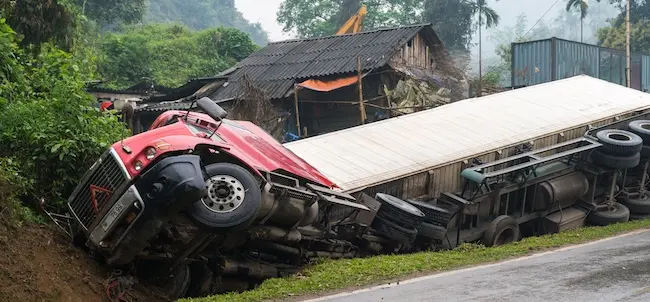
Injuries resulting from truck crashes are often severe. Victims may suffer traumatic brain injuries, spinal cord damage, multiple fractures, or long-term disability that affects their ability to work and enjoy life. The financial impact can be equally significant, with mounting medical bills, lost income, and ongoing care needs. In many cases, questions of trucking company liability arise, especially when unsafe driving practices, poor vehicle maintenance, or unrealistic delivery schedules contribute to the crash.
1Georgia Personal Injury Lawyers are committed to protecting the legal rights of injured Georgians after serious truck accidents. Serving clients across the state—from Metro Atlanta neighborhoods to rural highways connecting smaller towns—the firm provides focused advocacy, strategic case evaluation, and dedicated support to help victims pursue accountability and meaningful recovery after a life-altering truck collision.
Why Truck Accidents Are Different From Car Accidents in Georgia
A Georgia truck accident presents challenges that go far beyond those seen in typical car crashes. The size, structure, and operation of commercial vehicles create risks and legal considerations that require a deeper understanding of both transportation law and complex liability. From congested stretches of I-285 around Atlanta to freight routes along I-16 near Savannah and long-haul corridors on I-75, commercial truck collisions demand careful analysis from the very beginning.
One of the most significant differences is the size and weight disparity between commercial trucks and passenger vehicles. Fully loaded tractor-trailers can weigh up to 80,000 pounds, resulting in longer stopping distances and far more severe impacts. Even low-speed crashes can cause catastrophic injuries when a large truck is involved, increasing the stakes for injured motorists and their families.
Truck operations are also governed by a combination of federal and Georgia-specific regulations. Rules set by the Federal Motor Carrier Safety Administration (FMCSA) address driver hours, vehicle maintenance, cargo loading, and safety inspections. Violations of these rules often play a role in trucking company liability, especially when fatigue, poor maintenance, or overloaded trailers contribute to a crash.
Unlike standard car accidents, truck crashes may involve multiple responsible parties. Liability may extend beyond the driver to include the trucking company, maintenance contractors, cargo loaders, or even manufacturers. Understanding these layers is essential to protecting your legal rights after a serious truck accident.
Common Causes of Truck Accidents in Georgia
Identifying why a Georgia truck accident occurred is a key step in protecting your legal rights and determining who may be held accountable. Crashes involving tractor-trailers and other large commercial vehicles frequently happen on major transportation routes such as I-75 through Metro Atlanta, I-20 across East Georgia, and port-access highways near Savannah. These commercial truck collisions are often preventable and usually trace back to specific safety failures or operational decisions.
Driver Fatigue and Hours-of-Service Violations
Driver fatigue is one of the most common and dangerous causes of truck accidents. Long-haul drivers may exceed federally regulated hours-of-service limits due to tight delivery deadlines or pressure from employers. Fatigue reduces reaction time, awareness, and decision-making, making crashes more likely on extended stretches of highway between cities like Macon and Valdosta.
Distracted or Impaired Driving
Distraction behind the wheel is another frequent factor in serious truck crashes. Drivers may be distracted by mobile phones, GPS systems, dispatch communications, or in-cab technology. In some cases, impairment from alcohol, drugs, or certain prescription medications further increases the risk, particularly when operating heavy vehicles at highway speeds.
Improper Loading or Cargo Shifts
Improperly loaded or unsecured cargo can destabilize a truck, causing it to jackknife, roll over, or lose control during turns and lane changes. Cargo shifts are especially hazardous on curved roadways, exit ramps, or uneven pavement. These situations often raise issues of trucking company liability, especially when loading is handled by third-party contractors or warehouse facilities.
Equipment Failure and Poor Maintenance
Mechanical problems play a significant role in many truck accidents. Brake failures, worn tires, steering defects, and lighting issues can prevent drivers from responding safely to traffic conditions. When trucks are not properly inspected or maintained, the risk of catastrophic failure increases on busy Georgia highways.
Unsafe Driving Practices on Georgia Highways
Speeding, tailgating, improper lane changes, and failure to adjust to weather or traffic conditions can all lead to devastating truck crashes. These unsafe practices are particularly dangerous in congested areas such as Atlanta’s perimeter highways or rural roads, where visibility and response time are limited.
Who Can Be Held Liable in a Georgia Truck Accident Case
Determining liability after a Georgia truck accident is rarely straightforward. Unlike standard car crashes, commercial truck collisions often involve multiple parties whose actions—or failures—may have contributed to the crash. From busy freight routes along I-75 in Atlanta to port traffic near Savannah and industrial corridors outside Dalton, identifying all responsible parties is essential to fully protecting your legal rights and pursuing appropriate compensation.
Truck Drivers
Truck drivers are often the most visible party in an accident, and they may be held responsible when unsafe driving behaviors contribute to a crash. This can include speeding, distracted driving, fatigue, impairment, or failure to follow traffic laws. Driver negligence is frequently a factor in collisions on high-traffic routes like I-20 or I-285, where reaction time and awareness are critical.
Trucking Companies and Employers
In many cases, responsibility extends beyond the driver to the trucking company itself. Employers may be liable for negligent hiring, inadequate training, unrealistic delivery schedules, or failure to enforce safety policies. Issues such as pressuring drivers to exceed legal hours or ignoring maintenance needs often raise serious questions of trucking company liability.
Cargo Loaders and Shipping Companies
Improperly loaded or unsecured cargo can cause trailers to shift, tip, or jackknife. When third-party loaders or shipping companies handle freight, they may share responsibility for accidents caused by imbalance or overload. These issues are especially common near distribution centers and ports serving cities like Savannah and Brunswick.
Vehicle or Parts Manufacturers
Defective truck components can also contribute to serious accidents. Brake failures, steering defects, tire blowouts, or faulty coupling systems may point to manufacturer liability. These cases often require detailed investigation and technical analysis to establish fault.
Maintenance Contractors
Some trucking companies rely on outside contractors for inspections and repairs. When poor workmanship, skipped inspections, or missed defects lead to mechanical failure, maintenance providers may be held accountable for their role in the crash.
Legal Rights of Truck Accident Victims in Georgia
Victims of a Georgia truck accident have important legal protections designed to help them recover physically, financially, and emotionally after a serious crash. Because commercial truck collisions often result in severe injuries, Georgia law allows injured individuals and families to pursue compensation that reflects the full scope of their losses. From crashes along I-75 near Atlanta to rural highways outside Statesboro or port routes near Savannah, understanding these legal rights is an essential step toward stability and recovery.
Truck accident victims may be entitled to compensation for a wide range of damages, including:
- Medical expenses, such as emergency care, hospital treatment, surgeries, rehabilitation, prescription medications, and future medical needs related to the crash
- Lost wages and reduced earning capacity when injuries prevent a return to work or limit future employment opportunities
- Pain and suffering, including physical discomfort, emotional distress, and diminished quality of life caused by serious or permanent injuries
- Wrongful death damages for surviving family members when a truck accident results in a fatality, including loss of financial support, companionship, and care
Because questions of trucking company liability and multiple responsible parties often arise in truck accident cases, protecting your rights early is critical. 1Georgia Personal Injury Lawyers help injured Georgians across the state understand their options, pursue full compensation, and move forward with confidence after life-changing truck accidents.

Evidence That Strengthens Truck Accident Claims in Georgia
Strong evidence is often the difference between a disputed case and a successful recovery after a Georgia truck accident. Because commercial truck collisions involve large vehicles, multiple regulations, and corporate defendants, thorough documentation is essential to protecting your legal rights. From crashes on I-285 in Metro Atlanta to rural highways outside Valdosta or port routes near Savannah, gathering and preserving evidence early can significantly strengthen a claim.
Key forms of evidence that often play a critical role include:
- Police and accident reports, which document the scene, identify involved parties, note violations, and provide an initial assessment of how the crash occurred
- Electronic logging device (ELD) data, used to track driver hours and rest periods, can reveal fatigue, hours-of-service violations, or inconsistencies in driver statements
- Driver records and maintenance logs, including training history, prior safety violations, inspection reports, and repair records that may point to negligent hiring or poor vehicle upkeep
- Black box and GPS data, which can show vehicle speed, braking patterns, throttle position, and location data in the moments leading up to the collision
- Witness statements and expert analysis, including testimony from accident reconstruction specialists who can explain how the crash occurred and address questions of trucking company liability
1Georgia Personal Injury Lawyers work with investigators, experts, and industry professionals to secure and analyze this evidence before it is lost or altered, helping injured Georgians build strong, fact-based cases after serious truck accidents.
Insurance Challenges in Truck Accident Cases in Georgia
Insurance complications are often one of the most difficult aspects of a Georgia truck accident case. Unlike typical vehicle crashes, commercial truck collisions usually involve large insurance policies, corporate carriers, and defense teams whose primary goal is to minimize payouts. From high-traffic routes like I-75 through Metro Atlanta to port-access roads near Savannah and rural highways outside Dalton, injured victims frequently encounter resistance that can affect how their legal rights are protected.
High policy limits often lead to aggressive defense tactics. Insurers representing trucking companies may launch immediate investigations, deploy accident response teams, and attempt to control evidence within hours of a crash. These early actions are often designed to shape liability arguments and reduce exposure, particularly when questions of trucking company liability arise.
Another common challenge is pressure to accept an early settlement. Victims may be contacted shortly after the collision and offered compensation before the full scope of medical treatment, lost income, or long-term limitations is known. Accepting these offers too quickly can leave injured individuals without the resources needed for ongoing recovery.
Disputes over fault and damages are also frequent. Truck accident cases may involve multiple vehicles, conflicting witness statements, or shared responsibility claims, especially on congested interstates like I-285 or I-20. Preserving evidence early is critical, as electronic data, driver records, and maintenance logs can be altered or lost if action is delayed.
How a Truck Accident Lawyer Protects Your Rights in Georgia
After a serious Georgia truck accident, having experienced legal representation can make a decisive difference in how your case unfolds. Because commercial truck collisions involve complex regulations, corporate defendants, and significant financial exposure, protecting your legal rights requires swift action and strategic planning. From crashes on I-285 in Atlanta to long-haul routes near Macon or coastal highways outside Savannah, a truck accident lawyer helps ensure your interests are prioritized from the very beginning.
One of the first steps a lawyer takes is initiating an immediate investigation. This includes securing accident scenes, preserving electronic data, obtaining driver logs, and preventing critical evidence from being lost or altered. Early preservation is especially important when dealing with trucking companies that maintain extensive records related to vehicle operation and safety compliance.
A truck accident lawyer also works to identify all potentially liable parties. Beyond the driver, responsibility may extend to the trucking company, cargo handlers, maintenance providers, or manufacturers. A thorough investigation helps uncover trucking company liability and ensures all responsible parties are held accountable.
Negotiating with trucking insurers is another critical role. Insurance carriers often use aggressive tactics to limit payouts, and legal representation helps level the playing field. When a fair resolution is not possible, a lawyer prepares the case for trial, building a strong, evidence-based argument to pursue full compensation.
Why Choose 1Georgia Personal Injury Lawyers
Choosing the right legal team after a Georgia truck accident can directly affect the outcome of your case and your ability to move forward with confidence. Truck accident claims are high-stakes matters involving serious injuries, corporate defendants, and complex regulations. From major freight corridors like I-75 through Atlanta to port routes near Savannah and rural highways connecting smaller towns, 1Georgia Personal Injury Lawyers provide statewide representation focused on protecting your legal rights and long-term recovery after commercial truck collisions.
Experience Handling Complex Georgia Truck Accident Cases
Truck accident cases are fundamentally different from ordinary auto accident claims. They often involve severe injuries, multiple defendants, and extensive evidence. 1Georgia Personal Injury Lawyers have experience handling complex cases where issues of trucking company liability arise, including collisions caused by driver fatigue, unsafe practices, or corporate negligence. This experience allows the firm to anticipate challenges and build strong, well-supported claims from the outset.
In-Depth Knowledge of Federal Trucking Regulations
Commercial trucking is governed by detailed federal safety rules that affect driver hours, vehicle maintenance, cargo loading, and inspection requirements. Understanding how these regulations apply is critical when determining fault after a serious truck crash. Familiarity with these standards helps uncover violations that may not be obvious but play a key role in proving liability.
Client-Focused, Results-Driven Representation
Every truck accident case represents a real person facing real challenges. 1Georgia Personal Injury Lawyers take a client-focused approach, keeping injured individuals informed, supported, and involved throughout the legal process. Clear communication and strategic advocacy help clients feel confident while their case moves forward.
Commitment to Maximizing Compensation for Victims
Truck accidents often result in life-altering injuries and long-term financial consequences. The firm is committed to pursuing full and fair compensation that reflects medical needs, lost income, and future impact. By preparing every case thoroughly and pushing back against insurance pressure, 1Georgia Personal Injury Lawyers work to secure outcomes that help victims rebuild their lives after devastating truck crashes.
Protecting Your Rights After a Georgia Truck Accident
A Georgia truck accident can change lives in an instant, leaving victims and families facing serious injuries, financial strain, and uncertainty about what comes next. As this guide highlights, commercial truck collisions are far more complex than typical crashes, often involving multiple liable parties, extensive regulations, and powerful insurance interests. Understanding your legal rights—from identifying potential trucking company liability to pursuing compensation for medical care, lost income, and long-term impacts—is essential to achieving a fair outcome.

Timing also matters. Evidence such as electronic data, driver records, and maintenance logs can disappear quickly, and early statements or settlement offers may not reflect the true value of your case. Acting promptly helps preserve critical information and positions your claim for success, whether the crash occurred on I-285 in Atlanta, I-20 through East Georgia, or rural highways connecting smaller towns across the state.
1Georgia Personal Injury Lawyers are dedicated to helping injured Georgians navigate these challenges with confidence. If you or a loved one has been hurt in a truck accident, contact 1Georgia Personal Injury Lawyers for a consultation at (800) 800-8000. With focused advocacy and statewide experience, the firm is ready to help you protect your rights and pursue the recovery you deserve.