When Equipment Defects Turn Georgia Highways Into Danger Zones
Commercial trucks dominate Georgia’s highways, transporting goods across Interstate 85, Interstate 75, and countless other roadways that connect Atlanta, Alpharetta, Augusta, and communities throughout the state. These massive vehicles—often weighing 80,000 pounds when fully loaded—require perfectly functioning mechanical systems to operate safely. When those systems fail, the consequences can be catastrophic.
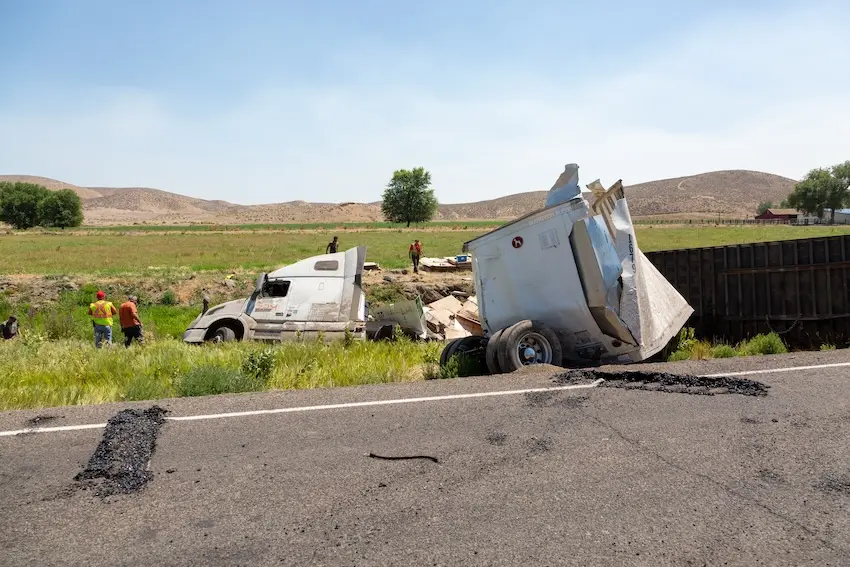
Mechanical failures in commercial trucks don’t just cause fender benders. They create devastating crashes that result in life-altering injuries, wrongful deaths, and destruction that affects entire families. Unlike typical car accidents where driver error is the primary cause, truck accidents involving mechanical failures introduce complex liability questions that require experienced legal representation to navigate.
At 1Georgia Personal Injury Lawyers, we’ve represented numerous victims of truck accidents caused by mechanical failures across Georgia. We understand how equipment defects, maintenance negligence, and regulatory violations contribute to these preventable tragedies. If you or someone you love has been injured in a truck accident involving mechanical failure, understanding the common causes and your legal rights is the first step toward recovery.
Common Mechanical Failures That Cause Georgia Truck Accidents
Commercial trucks are complex machines with numerous systems that must function properly to ensure safe operation. When any of these critical systems fail, the risk of serious accidents increases dramatically. Georgia’s hot summers and varied terrain place additional stress on truck components, accelerating wear and making proper maintenance even more essential.
Brake System Failures: The Leading Mechanical Cause of Truck Crashes
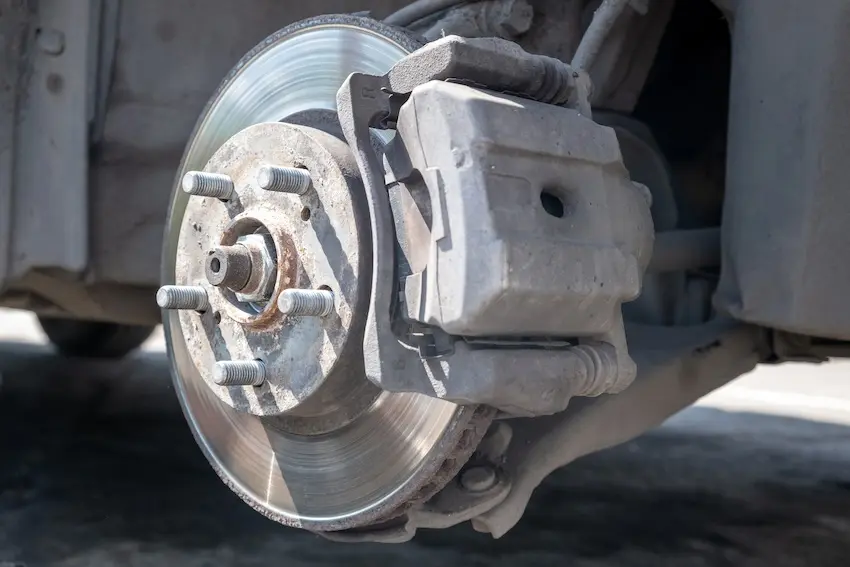
Brake failures represent the most common and dangerous mechanical defect in commercial trucks. The braking system on an 18-wheeler must be capable of stopping 40 tons of moving weight, requiring far more sophisticated engineering than passenger vehicle brakes. Multiple components can fail, including air brake systems that lose pressure, worn brake pads or drums that can’t generate adequate friction, malfunctioning automatic slack adjusters that fail to maintain proper brake adjustment, and brake fluid leaks that compromise hydraulic pressure.
When brakes fail on Georgia highways during high-speed travel, truck drivers often have no way to stop safely. The results are predictable and horrific—rear-end collisions, jackknife accidents, and multi-vehicle pileups that cause severe injuries and fatalities. According to the Federal Motor Carrier Safety Administration’s Large Truck Crash Causation Study, brake problems contribute to nearly 30% of all truck crashes.
Tire Blowouts and Tread Separation on Georgia Roadways
Tire failures are another leading cause of truck accidents in Georgia. Commercial truck tires endure extreme stress from heavy loads, long distances, and hot pavement temperatures that routinely exceed 150 degrees during Georgia summers. When tires fail, they don’t just go flat—they explode with tremendous force, sending rubber debris across multiple lanes and causing drivers to lose control.
Common tire-related mechanical failures include blowouts from overinflation or underinflation, tread separation caused by manufacturing defects or age, worn tires that should have been replaced, and improper tire maintenance or mismatched tire types on the same axle. A tire blowout on a fully loaded semi-truck can cause the driver to lose control instantly, leading to rollover accidents, vehicles crossing center lines into oncoming traffic, or debris striking other vehicles and causing secondary crashes.
Steering and Suspension System Defects
The steering and suspension systems keep commercial trucks stable and maneuverable. When these systems fail, drivers lose the ability to control their vehicles, especially during emergency maneuvers. Mechanical failures in these critical systems include broken tie rods or drag links, worn steering components that create excessive play, failed shock absorbers that can’t control vehicle bounce, and broken leaf springs or air suspension problems.
Georgia’s roads present particular challenges for truck suspension systems. Poorly maintained roadways, potholes, and rough pavement accelerate wear on suspension components. When trucking companies neglect maintenance schedules, these problems compound until catastrophic failure occurs—often at highway speeds where the consequences are most severe.
Engine and Transmission Failures
While less common than brake or tire failures, engine and transmission problems can also cause serious accidents. These mechanical failures may seem like they would simply cause a truck to stop, but the reality is more dangerous. Engine failures can cause sudden power loss while a truck is merging, climbing hills, or navigating traffic, creating hazards for surrounding vehicles. Transmission failures can cause unexpected gear shifts, loss of power, or the inability to slow down using engine braking.
Additionally, engine fires resulting from fuel system leaks or overheating can force drivers to stop suddenly on highways, creating dangerous situations for following traffic and potentially causing explosions if hazardous materials are involved.
Why Mechanical Failures Happen: Maintenance Negligence and Regulatory Violations
Mechanical failures in commercial trucks rarely happen without warning. These incidents typically result from neglect, cost-cutting measures, or deliberate violations of federal safety regulations designed to prevent exactly these types of failures.
Federal Maintenance Requirements Trucking Companies Often Ignore
The Federal Motor Carrier Safety Administration mandates specific maintenance requirements for all commercial trucks operating on U.S. highways. These regulations require systematic inspection, repair, and maintenance of all motor vehicles, annual inspections documenting the condition of critical components, driver vehicle inspection reports completed before and after each trip, and maintenance of detailed records documenting all inspections and repairs.
Despite these clear requirements, many trucking companies cut corners on maintenance to save money and keep trucks on the road generating revenue. They may skip scheduled maintenance, use substandard replacement parts, fail to address known defects reported by drivers, or falsify inspection records to hide maintenance neglect.
The Economic Pressure That Leads to Dangerous Shortcuts
The trucking industry operates on thin profit margins, creating intense economic pressure to maximize equipment utilization. Companies face constant temptation to keep trucks moving rather than taking them out of service for maintenance. This pressure manifests in several dangerous ways including extending time between scheduled maintenance intervals, continuing to operate trucks with known defects, pressuring drivers to skip pre-trip inspections, and prioritizing delivery schedules over safety concerns.
When truck accidents in Georgia result from these maintenance shortcuts, trucking companies must be held accountable. The economic pressure they face doesn’t excuse negligence that puts innocent people at risk on our highways.
Third-Party Maintenance Provider Liability
Many trucking companies outsource maintenance to third-party service providers. When these providers perform inadequate repairs or fail to identify dangerous defects during inspections, they share liability for resulting accidents. Proving third-party maintenance provider negligence requires examining maintenance records, identifying which company performed specific services, and demonstrating that substandard work directly contributed to the mechanical failure.
At 1Georgia Personal Injury Lawyers, we have the resources and experience to investigate all potentially liable parties in truck accident cases, including maintenance providers who failed in their responsibilities.
Identifying Mechanical Failure as the Cause of Your Truck Accident
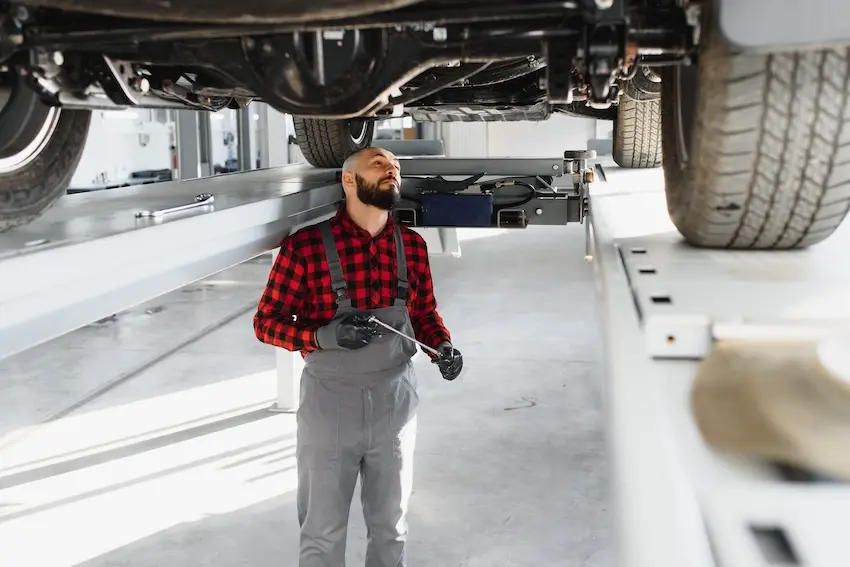
Determining whether mechanical failure caused or contributed to a truck accident requires prompt investigation and specialized expertise. Evidence that proves mechanical defects can disappear quickly if not preserved immediately after a crash.
Critical Evidence in Mechanical Failure Cases
Building a strong case around mechanical failure requires gathering specific types of evidence. This includes the truck’s black box data showing speed, braking, and other operational information, maintenance records documenting service history and known defects, driver vehicle inspection reports from before the accident, photographs of failed components and accident scene conditions, and expert mechanical inspections of the truck and failed parts.
Trucking companies know how important this evidence is and may attempt to make it disappear or become unavailable. They might quickly repair or dispose of damaged trucks, claim maintenance records were lost or destroyed, or pressure drivers to modify their accounts of what happened. This makes early legal intervention crucial.
The Role of Accident Reconstruction Experts
Accident reconstruction specialists can determine whether mechanical failure caused or contributed to a truck accident by analyzing physical evidence from the scene, examining vehicle damage patterns, reviewing black box data, and recreating the sequence of events leading to the crash. These experts provide testimony that explains complex mechanical issues to judges and juries in understandable terms, making them invaluable in mechanical failure cases.
Liability in Mechanical Failure Truck Accidents
When mechanical failures cause truck accidents, multiple parties may share responsibility. Unlike typical car accidents with clear at-fault drivers, truck accident liability often involves several defendants.
Trucking Company Negligence
Trucking companies bear primary responsibility for maintaining their fleets in safe operating condition. They can be held liable for failing to perform required maintenance, ignoring known mechanical defects, pressuring drivers to operate unsafe vehicles, inadequate training of maintenance personnel, and failing to properly supervise maintenance operations.
Even when trucking companies hire independent contractors or lease trucks, they often retain liability for maintenance failures under federal regulations.
Vehicle and Parts Manufacturers
Sometimes mechanical failures result from defective design or manufacturing rather than maintenance negligence. Manufacturers can be held strictly liable for design defects that make components inherently unsafe, manufacturing defects that cause specific parts to fail prematurely, and failure to warn about known risks or provide adequate maintenance instructions.
Product liability claims against manufacturers can provide additional sources of compensation beyond what trucking company insurance covers, especially in cases involving catastrophic injuries.
Maintenance Provider Liability
Third-party maintenance facilities that perform substandard repairs or fail to identify dangerous defects during inspections share liability for resulting accidents. This includes performing repairs incorrectly, using substandard replacement parts, failing to identify obvious defects during inspections, and inadequate documentation of services performed.
Georgia Laws Affecting Mechanical Failure Truck Accident Claims
Georgia’s legal framework for truck accident cases includes both state and federal regulations that impact how mechanical failure claims proceed.
Statute of Limitations
Georgia law generally allows two years from the date of a truck accident to file a personal injury lawsuit. For wrongful death claims, the statute of limitations is also two years from the date of death. Missing these deadlines typically bars you from pursuing compensation regardless of how strong your case might be.
Given the complexity of investigating mechanical failures and identifying all liable parties, early consultation with an experienced truck accident lawyer is essential to protect your rights.
Modified Comparative Negligence
Georgia follows a modified comparative negligence rule, meaning you can recover damages even if you were partially at fault for the accident, as long as your fault doesn’t exceed 49%. Your compensation is reduced by your percentage of fault. This rule affects cases where defendants argue that driver error contributed to an accident even though mechanical failure was the primary cause.
How 1Georgia Personal Injury Lawyers Handle Mechanical Failure Cases
Successfully prosecuting truck accident cases involving mechanical failures requires specific expertise and resources that general practice attorneys typically don’t possess. At 1Georgia Personal Injury Lawyers, our proven approach includes immediate evidence preservation by sending preservation letters to trucking companies and maintenance providers, securing truck black box data before it’s destroyed, photographing accident scenes and vehicle damage, and arranging independent mechanical inspections.
We conduct comprehensive investigations to obtain all maintenance and inspection records, identify every potentially liable party, hire accident reconstruction and mechanical experts, and interview drivers, mechanics, and company personnel. Throughout the process, we engage in aggressive advocacy by negotiating with multiple insurance companies and their adjusters, preparing cases for trial when settlements prove inadequate, and fighting for maximum compensation covering all current and future needs.
Our network of attorneys across Georgia means we have the resources to handle complex truck accident cases from investigation through trial, regardless of where in the state your accident occurred.
Compensation Available in Mechanical Failure Truck Accident Cases
Truck accidents caused by mechanical failures often result in severe injuries and significant damages. Victims may be entitled to compensation for economic damages including medical expenses for emergency care, hospitalization, surgery, and rehabilitation, lost wages during recovery and reduced future earning capacity, property damage to vehicles and personal belongings, and costs of ongoing care and medical equipment.
Non-economic damages address physical pain and suffering from injuries, emotional trauma and psychological distress, loss of enjoyment of life and activities, disfigurement and permanent disability, and loss of consortium for spouses and family members. In cases involving gross negligence or willful disregard for safety, Georgia law allows punitive damages designed to punish defendants and deter future misconduct.
Take Action to Protect Your Rights After a Truck Accident
If you’ve been injured in a truck accident in Georgia that you believe involved mechanical failure, time is critical. Evidence disappears, witnesses become harder to locate, and legal deadlines approach. Taking prompt action protects your ability to hold negligent parties accountable and recover the compensation you deserve.
At 1Georgia Personal Injury Lawyers, we offer free consultations to evaluate truck accident cases involving mechanical failures. Our experienced attorneys understand the federal regulations governing commercial trucks, know how to investigate maintenance negligence, and have the resources to take on trucking companies and their insurers.
Don’t face this challenge alone. Whether your accident occurred in Alpharetta, Atlanta, Augusta, or anywhere else in Georgia, our network of trusted attorneys is ready to fight for your rights. We work on a contingency fee basis, meaning you pay nothing unless we recover compensation for you.
Contact our experienced Alpharetta truck accident lawyers today for your free case evaluation. Call 404-476-5412 or visit our contact page to get started. Your recovery and your family’s future depend on taking action now. Let 1Georgia Personal Injury Lawyers be your advocate in pursuing justice and the compensation you deserve after a devastating truck accident caused by preventable mechanical failures.
About 1Georgia Personal Injury Lawyers
1Georgia Personal Injury Lawyers is a network of experienced personal injury law firms serving clients throughout Georgia, including Alpharetta, Atlanta, Augusta, Lawrenceville, Columbus, and surrounding communities. Our attorneys focus exclusively on personal injury cases, including truck accidents, car accidents, motorcycle crashes, and workers’ compensation claims. With decades of combined experience and millions recovered for clients, we provide the aggressive representation and compassionate support you need after a serious accident. Available 24/7 for free consultations, we work on a contingency fee basis—you pay nothing unless we win your case.